
Best Sensory Tools for ADHD at Home
Best Sensory Tools for ADHD at Home (UK Parent Guide)

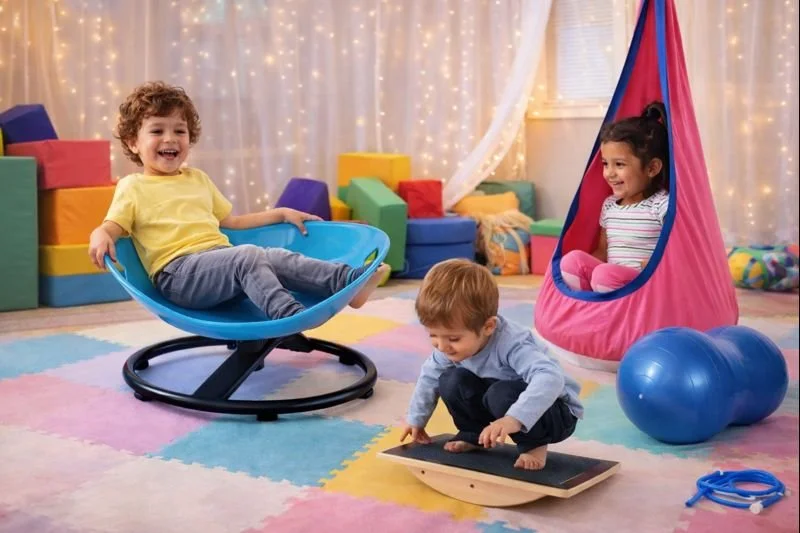


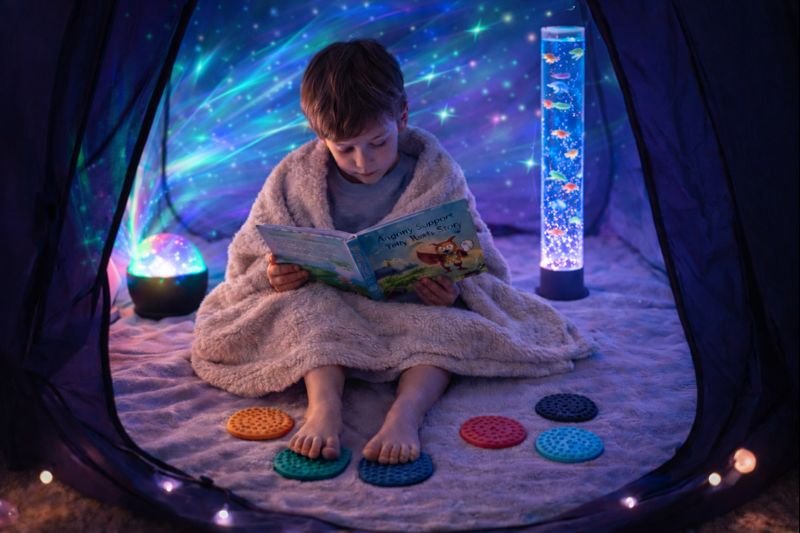
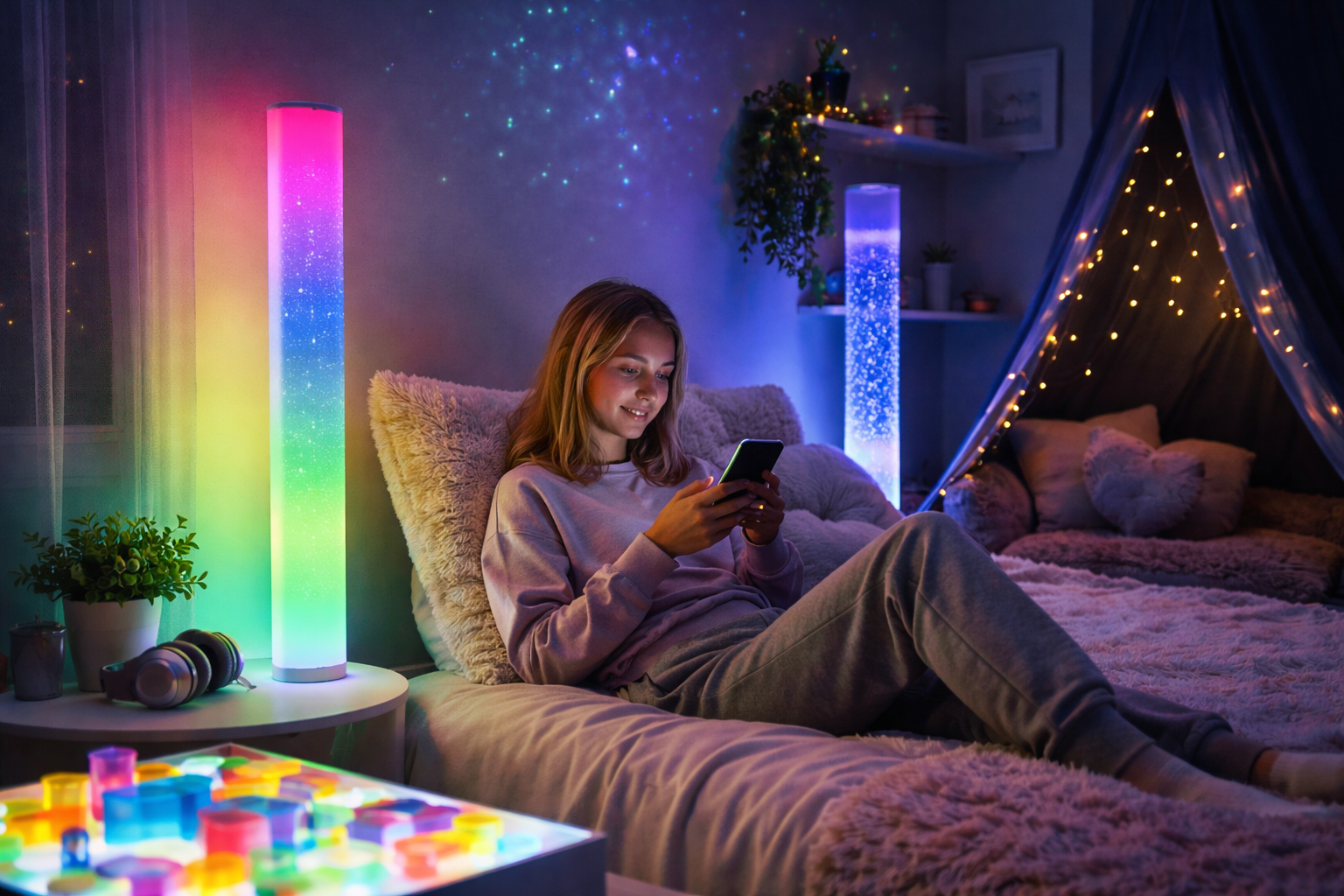

If you’re parenting a child with ADHD, you already know it’s not about “bad behaviour” — it’s often about regulation. Many children with ADHD struggle to stay calm, manage transitions, settle for sleep, or focus on tasks, especially after school when their energy and emotions spill over. The right sensory tools for ADHD can make home life feel more manageable, not by forcing calm, but by supporting the nervous system in a way a child can actually tolerate.
This guide covers the best sensory tools to support calm, focus, and emotional regulation at home — with practical ideas you can use immediately.
Why sensory tools help children with ADHD
Children with ADHD often seek stimulation (movement, noise, touch) or feel overwhelmed by it. That can look like restlessness, meltdowns, constant fidgeting, or refusal to do things that feel too hard. Sensory tools work because they provide predictable input that helps the body regulate.
At home, sensory supports can help with:
emotional outbursts after school
focus during homework
transitions (screen off, shoes on, bedtime)
sensory overwhelm in busy households
sleep routines and settling at night
The goal isn’t to “fix” your child — it’s to reduce friction in everyday moments.
The best sensory tools for ADHD at home
Below are practical, high-impact tools that work well for many families. You don’t need everything — start with one tool that matches your child’s biggest struggle right now.
1) A calm, enclosed space for resets
Many children with ADHD regulate better when visual and sensory input is reduced. A calm space creates an immediate “reset point” where your child can retreat without being isolated or punished.
A strong option is an XL sensory den for calming and regulation . This works well for:
emotional overwhelm
after-school decompression
quiet time without pressure
reading, listening to calming audio, or gentle sensory play
How to use it at home:
Place it in a low-traffic area and keep it stocked with 2–3 calming items only (too much choice can be overstimulating). Make it available before a meltdown happens, not as a “time-out.”
2) Sensory tools for emotional regulation and grounding
When emotions rise fast, children often need help to “come back down” physically before they can talk, reason, or follow instructions. That’s why tactile, calming tools and predictable sensory input make such a difference.
A curated option is a sensory regulation bundle that includes key items designed for emotional reset.
This type of bundle supports:
overwhelm and big emotions
anxiety spikes
transitions and sudden changes
stress after social situations
How to use it at home:
Name it as a positive tool: “Let’s reset.” Keep the items in the same place and use them consistently so your child starts associating the tools with safety and calm.
3) Visual supports to reduce time-related battles
ADHD and time blindness go hand in hand. “Five more minutes” can feel meaningless to a child who can’t visualise time passing — and that’s where conflict often starts.
A visual timer (like a countdown timer) helps by turning time into something the child can see. Place a visual timer near routines like:
leaving the house
screen time ending
homework starting
bedtime routine
Parent tip:
Introduce it when your child is calm. If you only bring it out during conflict, it becomes a trigger rather than a support.
4) Bedtime sensory tools that actually help children settle
Bedtime is often the hardest part of the day for ADHD families — not because children won’t sleep, but because their bodies can’t downshift.
A popular sleep support is a weighted blanket for sleep
Many families use weighted blankets to support:
feeling safe and settled
reduced restlessness
smoother bedtime transitions
calmer wind-down routines
Important note:
Always follow safe usage guidance and ensure the weight is suitable for your child. If you’re unsure, use it during supervised quiet time first rather than overnight.
5) Movement as regulation (not “bad behaviour”)
A lot of children with ADHD don’t calm down by sitting still — they calm down by moving. If movement is treated as misbehaviour, you’ll get power struggles. If movement is treated as a regulation need, you can plan for it.
Try building a “movement break” into your day:
10 minutes of movement after school
movement before homework
movement before bedtime routine
This supports emotional regulation, reduces restlessness, and improves focus later.
You can explore movement-based regulation tools that support this kind of input at home, a popular affordable choice is our 360 spinning chair which provides rhythmic stimulation.
How to choose the right sensory tools for your child
If you only pick one tool this week, choose based on the biggest daily pain point:
Overwhelm / meltdowns → start with a calming reset space or regulation tools
Focus struggles → add visual supports and predictable routines
Bedtime battles → prioritise sleep supports and calming input
Constant movement → build in movement breaks and regulation tools
The best sensory supports are the ones that fit into real life and are easy to use consistently.
Recommended sensory tools for ADHD (quick links)
If you want to start simple, these are strong first options:
sensory regulation bundle for emotional reset
XL sensory den for calming and regulation
weighted blanket to support calm sleep
movement-based regulation tools
Final thought
You don’t need to “solve ADHD” to improve home life. Small sensory supports, used consistently, can reduce conflict and help your child feel safer in their body — which is where calm and focus actually begin.
If you’re building a calmer routine at home, explore our UK-stocked sensory tools with free UK delivery, curated for real families and real challenges.
